
Expert Guide to Safe Appliance Moving Service: Streamlining Your London Relocation
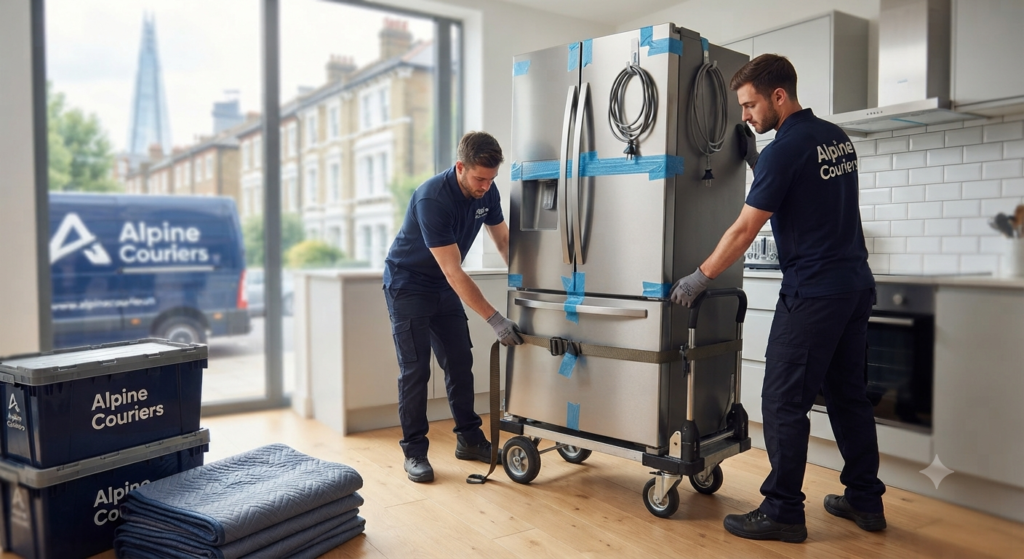
Relocating across London is a major milestone, but coordinating the heavy lifting requires meticulous care—especially when dealing with bulky white goods. Securing a reliable appliance moving service is one of the most critical elements of a successful household transition. Without professional protocols, heavy kitchen and laundry units can suffer severe mechanical damage, scratch newly painted hallways, or cause unexpected water leaks.
At Alpine Couriers, we combine professional removals with tailored support to ensure your high-value assets arrive in pristine condition. Whether you are coordinating a seamless house transition across town or managing local moves through our dedicated removal service, expert handling is essential.
Why Early Strategic Planning is Essential for a Smooth Move
The Hidden Dangers of Disorganised Relocation Schedules
Underestimating the timeline of a house move frequently leads to chaotic moving days. When packing and preparation are compressed into the final hours, critical safety steps are missed. For structured insights on official timelines and change-of-address administration, consult the UK Government Moving Guide.
How Rushed Appliance Preparation Causes Logistics Delays
Attempting to disconnect washing machines, American-style refrigerators, or integrated dishwashers on the morning of the move halts your removal team instantly. Units that are still plumbed in or filled with residual water cannot be safely loaded onto transit vehicles.
Mitigating Risks Associated with Last-Minute Hacks
Rushing setup adjustments often strips screw threads, cracks fragile plastic water inlets, or shorts electrical components. Allocating adequate time ensures your hardware remains protected throughout transit.
Mastering Appliance Moving Service: Core Preparation Protocols
Quick Overview
Appliances must be thoroughly emptied, unplugged, defrosted, and completely dried before transport. Proper handling minimises structural damage risks and ensures seamless integration into your new London property.
Safe Defrosting Methods to Protect Internal Cooling Systems
Freezers and refrigerators require at least 24 hours of advance defrosting. Turn off the units, prop doors open, and place absorbent towels around the base to capture melting ice. Preventing moisture build-up stops internal mold growth and electrical shorts during transit.
Systematic Preparation Across Multiple Household Appliances
- Washing Machines & Washer-Dryers: Drain residual water via the filter hatch, secure the drum using transit bolts, and coil power cables securely.
- Fridges & Freezers: Remove all loose glass shelving, drawers, and food contents. Tape doors firmly shut using low-residue packing film.
- Cookers & Ovens: Ensure gas connections are professionally capped by a certified Gas Safe engineer, and secure internal oven racks.
The Value of Professional Support in Mitigating Heavy Lifting Risks
Heavy appliances pose physical injury risks and property damage hazards during the appliance moving service. Delegating heavy lifting to specialists guarantees that specialist equipment, like heavy-duty trolley straps and tail lifts, is deployed correctly.
Comprehensive House Moving Checklist for London Residents
| Timeline Phase | Key Action Item | Priority Level |
| 4 Weeks Out | Book certified London removals and specialized transit | High |
| 3 Weeks Out | Begin systematic room-by-room decluttering | Medium |
| 2 Weeks Out | Arrange utility disconnections and final meter readings | High |
| 48 Hours Out | Defrost refrigeration units and drain wet appliances | Critical |
Early Booking and Local Removals Coordination
Securing a trusted local team well in advance locks in your preferred appliance moving service across busy London boroughs, bypassing last-minute booking stress.
Phased Packing Strategies to Eliminate Moving Day Clutter
Break down packing milestones into manageable weekly blocks. Clear pathways early to give your moving crew unobstructed access on moving day.
Utilizing Secure London Self-Storage to Free Up Floor Space
Optimising Workspace Efficiency Prior to Moving Day
Moving out large furniture items temporarily creates a clean canvas, making it significantly easier to pack remaining boxes and extract heavy white goods safely.
Protecting Fragile Assets from Accidental Impact
By placing non-essential belongings into secure storage units ahead of time, you reduce household congestion and protect delicate items from accidental knocks.
Integrating Professional Cleaning and Handyman Services
Flexible Support Tailored to Fast-Paced London Schedules
Whether you need end-of-tenancy deep cleaning or minor fixture repairs, synchronizing these services with your move ensures your old or new property satisfies every landlord or buyer requirement.
Unified Moving Packages: Combining Removals, Storage, and Care
The All-in-One Service Advantage
- Consolidated Management: Seamlessly integrates packing, secure storage, and transport.
- Reduced Vendor Friction: Eliminates the need to coordinate multiple conflicting third-party contractors.
- Consistent Service Standards: Guarantees uniform professional care across every step of your relocation.
Avoiding Common Moving Day Pitfalls with Large Appliances
Preventative Steps Against Last-Minute Disconnections
Failing to isolate water and power lines beforehand causes immediate scheduling bottlenecks. Always schedule utility shutdowns ahead of your removal team’s arrival.
Eliminating Internal Moisture Hazards
Transporting appliances with trapped water risks severe internal rust and electrical failure, while leaked water can ruin surrounding cardboard boxes.
Final Appliance Shutdown Checklist During Appliance Moving Service
- Power Down: Disconnect electricity and gas feeds 24 to 48 hours prior to transport.
- Dry Thoroughly: Wipe down internal cavities to eradicate condensation.
- Secure Components: Fasten loose trays, drums, and external doors securely.
- Final Inspection: Verify that your moving path is completely clear of obstacles.
Frequently Asked Questions (FAQs)
Do removal companies disconnect and reconnect appliances in London?
Professional removal teams typically disconnect and handle standard plug-in white goods, such as freestanding washing machines, fridges, and tumble dryers. However, by UK law, gas appliances and hard-wired electrical units must be isolated or disconnected by a certified specialist or Gas Safe registered engineer prior to transit.
How long should a fridge-freezer stay upright before being plugged in after a move?
It is recommended to let your fridge-freezer stand upright for a minimum of 4 to 6 hours, or match the manufacturer’s manual guidelines, before reconnecting to power. This allows compressor oils displaced during transit to settle safely back into place, avoiding motor damage.
How do I properly prepare my washing machine for transit?
Run a short empty clean cycle a couple of days prior, switch off the water valves, disconnect the hoses, and completely drain the residual water filter. Crucially, reinsert your washing machine transit bolts to lock the internal drum and prevent severe mechanical damage on London roads.
Ready to plan a seamless relocation? Contact Alpine Couriers today for expert London removals and a dedicated appliance moving service tailored to your schedule.