
Moving House Packing Tips: The Ultimate Guide to Perfectly Protecting Your Plants
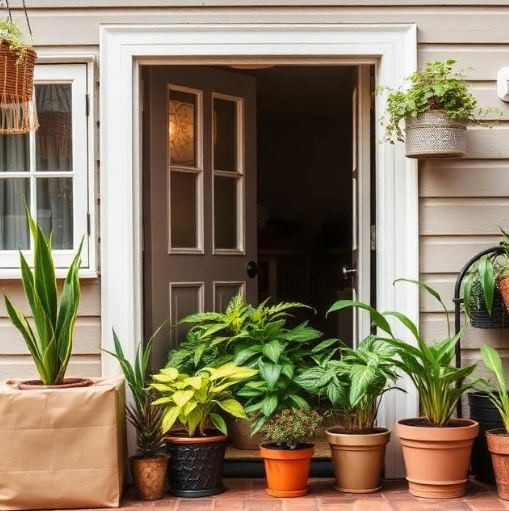
Moving house is notorious for being one of life’s most stressful experiences, but the real panic sets in when you look at your beloved plant collection and wonder how they will survive the journey. I have been there, watching a prized fiddle-leaf fig look hopeless in the back of a van, and I learned the hard way that preparation is everything. When you follow the right Moving House Packing Tips, you stop treating your plants like risky cargo and start treating them like the living, breathing members of your home that they truly are.
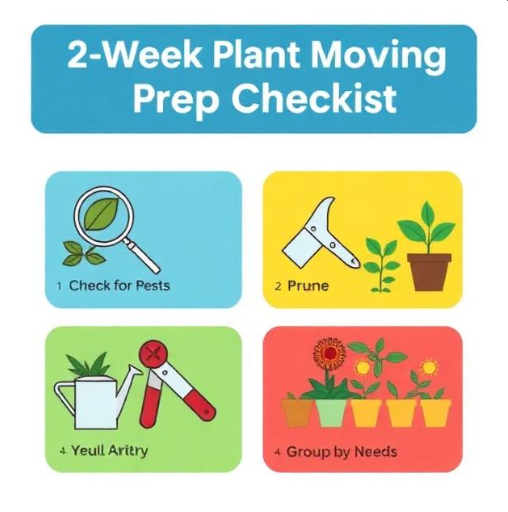
Whether you are moving a single succulent or an entire indoor jungle, you have the power to keep every leaf healthy and intact. By taking a proactive approach to your packing strategy, you ensure your plants hit the ground running the moment you unlock the door to your new place. Let’s dive into the essential techniques that will keep your home feeling vibrant, green, and alive from day one of your new chapter.
Reduce Soil Mess with Smart Packing Hacks
Soil spills create significant headaches inside a moving truck. To prevent this, water your plants lightly a few days before your move. Damp soil is heavy and messy, so aiming for slightly dry earth is ideal. Place a plastic bag over the top of the pot and secure it tightly around the stem using rubber bands or tape. This simple technique keeps dirt contained if the pot tips over.
For larger plants, wrap the base in bubble wrap or thick cardboard to provide extra structural support. If you need professional assistance for specialized house moves, ensure you communicate your plant needs early. Professionals often have specific protocols for handling delicate items, including greenery. Clear labeling is crucial; mark every box containing plants as “Fragile” and “This Side Up.” When you focus on these small details, you significantly increase the chances of your plants arriving at your new destination without losing a single leaf.
Create the Perfect Microclimate for Transit
The interior of a moving vehicle fluctuates in temperature. You must protect your plants from these extreme shifts. If possible, transport your plants in your personal vehicle instead of the moving truck. This allows you to control the environment directly. If you must use a professional removal service, consult your moving company about climate-controlled options.
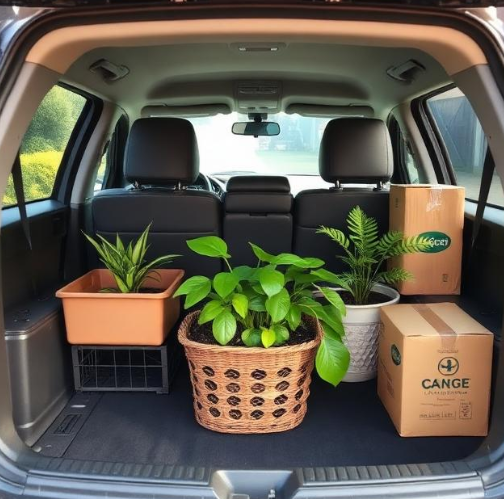
According to the Royal Horticultural Society, sudden cold drafts or direct heat can trigger shock in indoor plants. Keep your greenery away from vents and direct sunlight while they are packed. If you are moving during winter, wrap your plants in layers of newspaper or horticultural fleece for insulation. This creates a protective barrier against freezing temperatures. Think of your plants as passengers rather than cargo. A stable environment during the journey ensures that your indoor jungle remains vibrant and healthy from the moment you leave your old house until you settle into your new home.
Design Efficient Boxes for Your Greenery
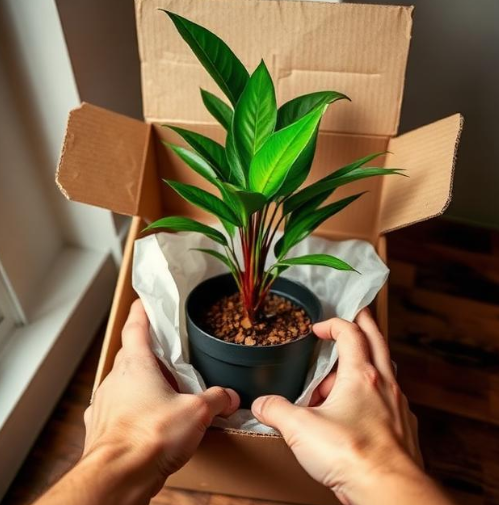
Standard moving boxes rarely fit plants perfectly. You need to customize your containers to prevent shifting. Use sturdy boxes with holes punched in the sides for ventilation. Place your plants inside these boxes and fill the empty spaces with crumpled packing paper or towels. This acts as a shock absorber during transit. Never stack items on top of your plants.
If you have many small pots, place them inside a single large bin to keep them grouped together. This reduces the number of loose items you need to carry. For taller plants, use tall wardrobe boxes to give them enough headroom. Secure the base of the plant to the box bottom with tape so it does not slide. Proper organization is the cornerstone of these Moving House Packing Tips. When you take the time to build a secure housing for your plants, you eliminate the risk of broken pots and crushed stems, ensuring your leafy friends stay secure throughout the entire moving process.
Adjust Your Care Routine During the Move
Moving is stressful for plants, and they will need time to recover. Do not fertilize your plants in the weeks leading up to your move. Fertilizing encourages rapid growth, which is exactly what you want to avoid during transport. Instead, focus on maintenance and hydration. If you are moving locally, you can keep your plants in their pots until the very last minute.
If you are heading across the country, you might need to repot them into plastic containers to reduce weight. Plastic is lighter and less likely to shatter than ceramic or terracotta. During the journey, check on your plants whenever you stop. If they look dry, a quick misting can provide relief. Consistency is key when it comes to keeping plants happy. Avoid drastic changes in your watering schedule immediately after the move as well. Your plants will be experiencing a new light environment, so monitor their reaction to their new location closely for the first few weeks before resuming a normal care routine.
Prepare Your New Space for Plant Arrival
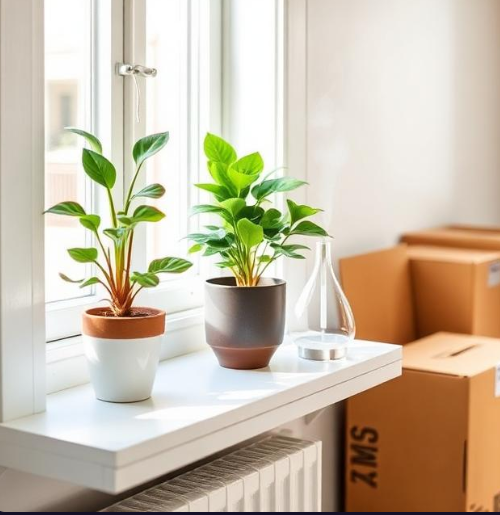
Before you even start packing, think about where your plants will go in your new home. Sunlight requirements vary by species, and your new floor plan might be different. Map out which rooms offer the best light for your specific plants. Upon arrival, unpack your plants first. They have been in the dark and should be exposed to light as quickly as possible. Do not put them directly into bright, scorching sun immediately.
Let them acclimate to the new humidity and light levels gradually. If your new home is very dry, consider placing a humidifier near your plant collection. This is one of the most overlooked Moving House Packing Tips. When you prepare your new space in advance, you minimize the “moving shock” your plants experience. By having a plan ready, you ensure your greenery transitions from one home to the next seamlessly, keeping your living space feeling fresh and vibrant even on the first day in your new residence.
Manage Large Indoor Trees Effectively
Large trees are the most difficult items to move. They are heavy, awkward, and prone to branch damage. To move a large tree, tie its branches inward carefully with soft twine or garden ties. This makes the tree narrower and easier to maneuver through doorways. Use a sturdy dolly to move the pot rather than trying to lift it by the trunk. If the tree is too big for a car, ensure you have an expert team helping with your local removals. They can help secure the tree inside the truck using straps, preventing it from toppling during transit.
Always protect the pot with blankets or thick padding. If the pot is made of expensive ceramic, wrap it in layers of moving pads to prevent cracks. Large plants often anchor a room, so protecting them preserves the character of your new home. With the right equipment and careful handling, even your largest indoor trees can survive the move perfectly.
Handle Succulents and Cacti with Care
Succulents and cacti are hardy but fragile when it comes to physical impact. Their leaves are brittle and can snap off easily. When applying Moving House Packing Tips, treat these plants like fine china. Wrap each individual plant in soft tissue paper or newspaper. This prevents their fleshy leaves from bumping against other plants. Do not water them for at least a week before the move.
This keeps the leaves firm and less prone to breaking. If a piece does fall off, do not worry; you can often propagate it to grow a new plant. Keep these containers upright at all times. Because they have shallow root systems, they are susceptible to shifting within their pots. Check the soil level before you leave and add a layer of decorative pebbles to keep the soil in place. By treating your succulents with this level of detail, you ensure they arrive at your new home looking as healthy and beautiful as they did before you started packing.
Recover from Moving Stress Safely
Once you arrive at your new home, your plants might look a bit sad. This is completely normal. Moving causes a temporary halt in growth as plants adjust to their surroundings. Do not panic if you see a few yellow leaves. Simply remove them and let the plant recover in a calm, quiet corner. Avoid moving them from room to room searching for the “perfect” light. Pick one spot and leave them there for at least two weeks. This allows them to adjust to the new humidity and light quality.
Water them carefully, checking the moisture level of the soil rather than sticking to a calendar. Many people lose plants after a move by overwatering them in an attempt to “help” them recover. Patience is the best medicine. If you followed our recommended Moving House Packing Tips, your plants should have enough energy to bounce back quickly. They will soon return to their vibrant state, adding life and energy to your new home.
Optimize Your Move with Professional Help
Sometimes, the best way to handle a massive plant collection is to leave it to the professionals. Many moving companies specialize in comprehensive moving services that include delicate item handling. Discuss your plant inventory during your initial consultation. Professionals have specialized crates and packing materials that are far superior to standard cardboard boxes. They also have the physical strength to move heavy pots without damaging your floors or the plants themselves.
When you outsource the heavy lifting, you can focus on the logistics of your move. This peace of mind is invaluable during the high-stress period of relocating. Remember that high-quality service providers prioritize the safety of all your belongings, including your living ones. By integrating your plants into a professional plan, you eliminate the risk of injury to yourself and damage to your green collection. Let experts handle the strain while you focus on the excitement of settling into your new environment.
Integrate Plants into Your New Aesthetic
Moving offers the perfect opportunity to rethink how you display your plants. Once you have successfully transported them using these Moving House Packing Tips, consider how to best feature them in your new rooms. Perhaps your new home has a large window perfect for a hanging planter or a cozy corner ideal for a tall palm. Use the move as a clean slate to style your home with your plants. This positive mindset makes the packing and unpacking process feel more like a creative project.
Remember that every successful move starts with a solid plan and ends with a beautiful home. When you work with Alpine Couriers, you gain access to the support needed to move your entire home safely and efficiently. We specialize in making transitions smooth, allowing you to focus on the joy of decorating your new space with your favorite plants. Your move is a new chapter, and with the right care, your plants will be a thriving part of your beautiful new life.

Frequently Asked Questions
How long can my plants stay in a box during a move?
For most indoor plants, keep them in boxes for no longer than 48 hours. If your move takes longer, ensure they are kept in a well-ventilated area and occasionally checked for light and moisture needs as part of your moving house packing tips strategy.
Should I repot my plants before moving?
Avoid repotting just before a move unless necessary. Repotting causes root stress, which compounds the stress of the move. If you must repot, do it at least three weeks prior as part of your general moving house packing tips, so the plant can settle into its new pot before the transition.
How do I protect delicate plant leaves during transport?
Use soft tissue paper or bubble wrap to gently cushion the foliage. When following the best moving house packing tips, ensure you provide enough space in the box so that leaves are not compressed, as this leads to bruising and breaking.
What is the best way to keep soil from spilling?
Wrap the base of your pot in a plastic bag and secure it around the stem with tape. Adding a layer of damp paper towels over the soil surface and then wrapping the pot can also keep the earth moist and contained during the moving house packing tips process.
How do I help plants recover after a long move?
Place them in a spot with indirect light and monitor their soil moisture closely. Do not overwater or fertilize immediately. By using these simple moving house packing tips, you allow the plants at least two weeks to adjust to the new environment before changing their location or care routine.
If you are ready to turn your upcoming transition into a seamless success, don’t leave the safety of your botanical collection to chance. Partnering with the experts at Alpine Couriers
ensures that every aspect of your relocation is handled with the precision and care you deserve.
From protecting your delicate indoor jungle to ensuring your furniture arrives safely, we provide the ultimate Moving House Packing Tips and professional support to make your move stress-free. Whether you are preparing for a local transition or a major life change, reach out to us today to discover how our House Moves London services can safeguard your most precious belongings while you focus on the excitement of settling into your new home.
#MovingHouse #PlantCare #HomeMoving #RelocationTips #AlpineCouriers #IndoorJungle #MovingDay #PlantParent #HomeTransition #ProfessionalMovers